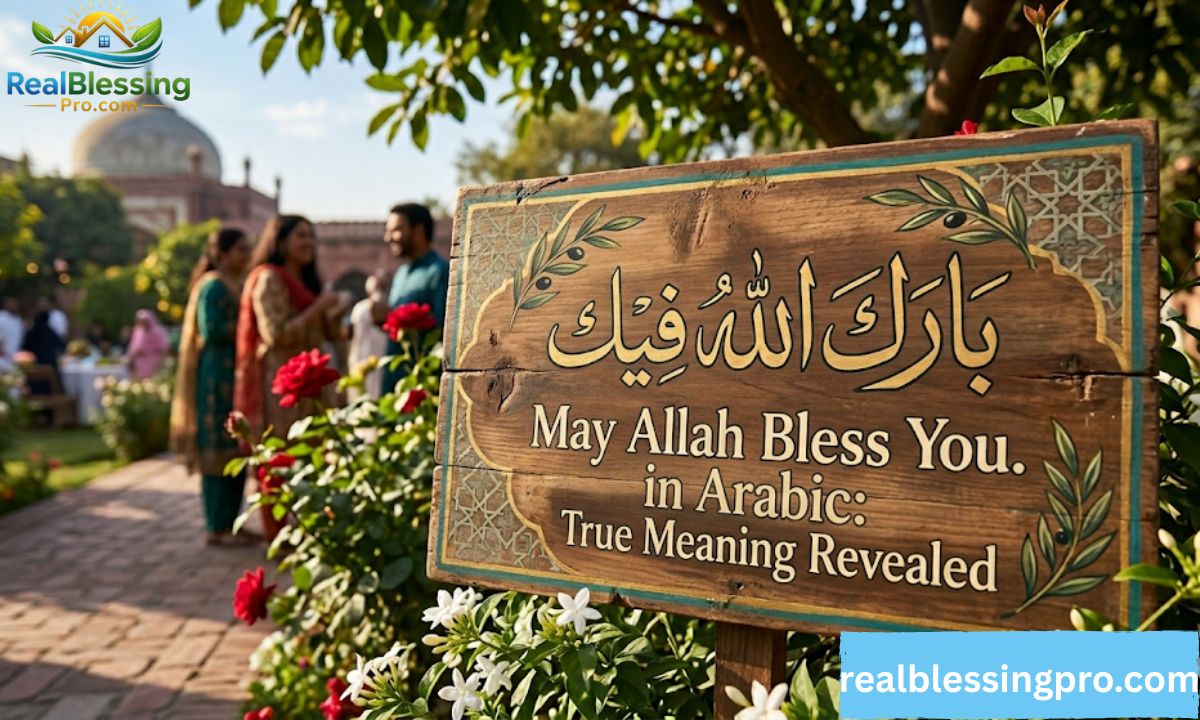
When we speak of blessings in Arabic, we aren’t just exchanging pleasantries; we are invoking the divine presence of the Creator into someone’s life. Language in the Islamic world is a bridge between the heart and the heavens, where every word carries a weight of spiritual intention. Understanding how to say “May Allah bless you” is the first step toward connecting deeply with a rich, ancient heritage.
The beauty of these expressions lies in their versatility and the profound sincerity they demand from the speaker. Whether you are thanking a stranger or comforting a loved one, these phrases serve as a rhythmic reminder of faith and community. Exploring the true meaning behind these words reveals a world where language acts as a constant, living prayer for the well-being of others.
To truly master these phrases, one must look beyond the literal translation and feel the cultural heartbeat within them. It is about more than just grammar; it is about the “Barakah” or divine grace that flows through every syllable. By learning the right way to offer these blessings, you aren’t just speaking Arabicyou are participating in a timeless tradition of kindness and spiritual brotherhood.
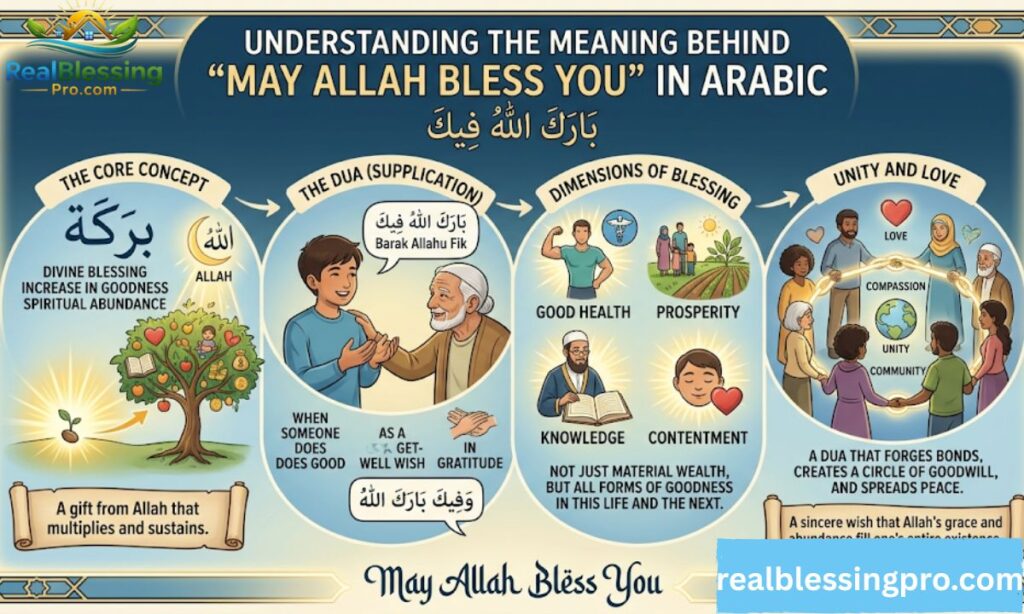
Understanding the Meaning Behind “May Allah Bless You in Arabic”
May your tongue be light with the remembrance of the Almighty, and may every “Barakallahu” you utter open doors of grace for those you cherish.
The Power of Blessings in Arabic and Islamic Culture
May the echoes of your sincere prayers resonate in the heavens, weaving a tapestry of peace and unity across the hearts of the Ummah.
What Does “May Allah Bless You” Mean in Islam
May you find the hidden treasures of “Barakah” in your daily life, realizing that a simple prayer for another is a seed planted in your own garden of rewards.
May Allah bless you in Arabic to female
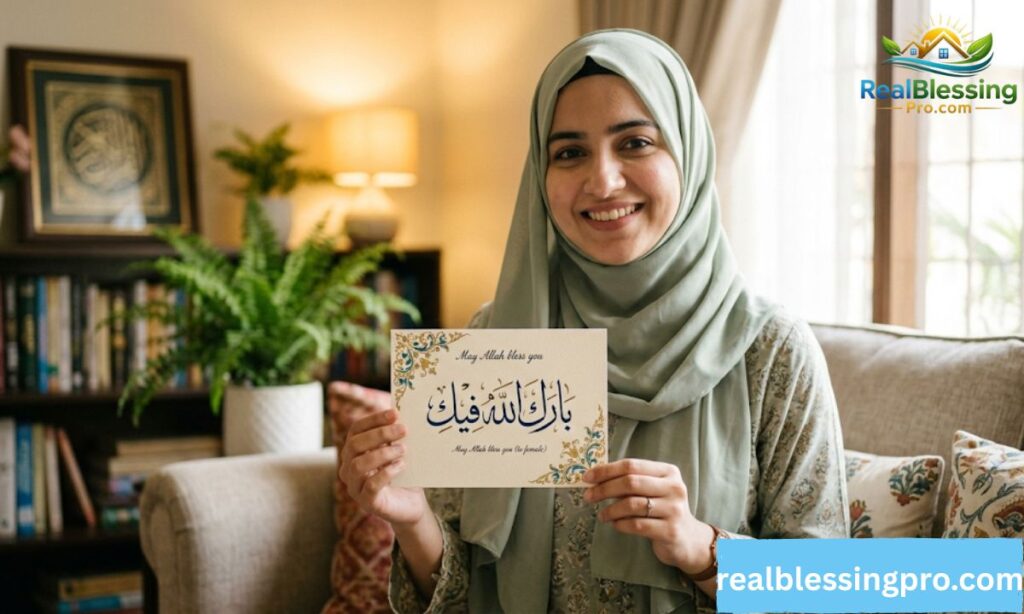
Barakallahu feekiMay your path be illuminated with divine light, and may the grace of the Most High protect your spirit and honor your journey.
May Allah bless us in Arabic
Barakallahu lanaMay the clouds of mercy rain down upon our collective efforts, turning our shared struggles into a harvest of eternal peace and success.
How do you say may Allah bless you in Arabic
May you speak with the clarity of a sincere heart, finding the perfect words to invoke the Creator’s favor upon every soul you encounter today.
How to say may Allah bless you in Arabic
May your learning be easy and your intentions pure, as you master the sacred art of calling down blessings upon your brothers and sisters in faith.
May Allah bless you in Arabic male
Barakallahu feekMay the strength of your character be matched only by the abundance of God’s favor, guiding you toward righteousness in every step you take.
May Allah bless you all in Arabic
Barakallahu feekum May the divine mantle of protection cover every one of you, gathering your hearts in a circle of love, prosperity, and unwavering faith.
Common Arabic Phrases for “God Bless You” and Their Meanings
May you become a vessel of wisdom, understanding the deep spiritual melodies that turn simple words into powerful shields against the hardships of life.
How to Say “God Bless You” in Arabic the Right Way
May your etiquette be as beautiful as your speech, ensuring that every blessing you offer is wrapped in the warmth of true Islamic “Adab.”
Expressing Gratitude and Well-Wishes in Arabic
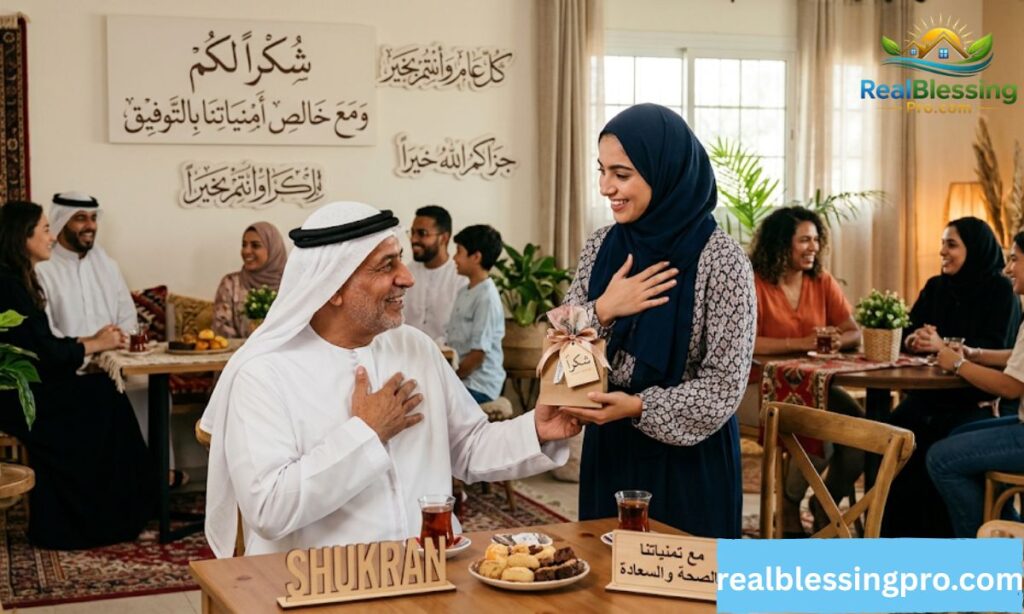
May your “Shukr” be a magnet for more “Khair,” proving that a heart full of gratitude is never far from the boundless generosity of the Divine.
The Deeper Meaning of “God Be With You” and “Bless You” in Arabic
May you never feel alone on your journey, knowing that “Allah Ma’ak” is a promise of companionship that transcends the boundaries of the physical world.
When and How to Use “May Allah Bless You” in Conversations
May your timing be inspired and your words be a healing balm, knowing exactly when to offer a prayer that lifts a heavy spirit.
The Spiritual Rewards of Blessing Others in Islam
May the angels record every kind word you speak, returning every blessing you give tenfold into your own life until your cup overflows with joy.
How Arabic Blessings Strengthen Faith and Community Bonds
May the threads of “Barakah” tie our communities together, building a fortress of mutual love that no trial or tribulation can ever hope to break.
Frequently Asked Questions
What is the most common way to say “May Allah bless you” in Arabic?
The most widely used phrase is Barakallahu Feek, which literally translates to “May the blessings of Allah be upon you.” It is used in response to kindness, to show admiration, or as a general well-wish.
How do the endings change based on who I am talking to?
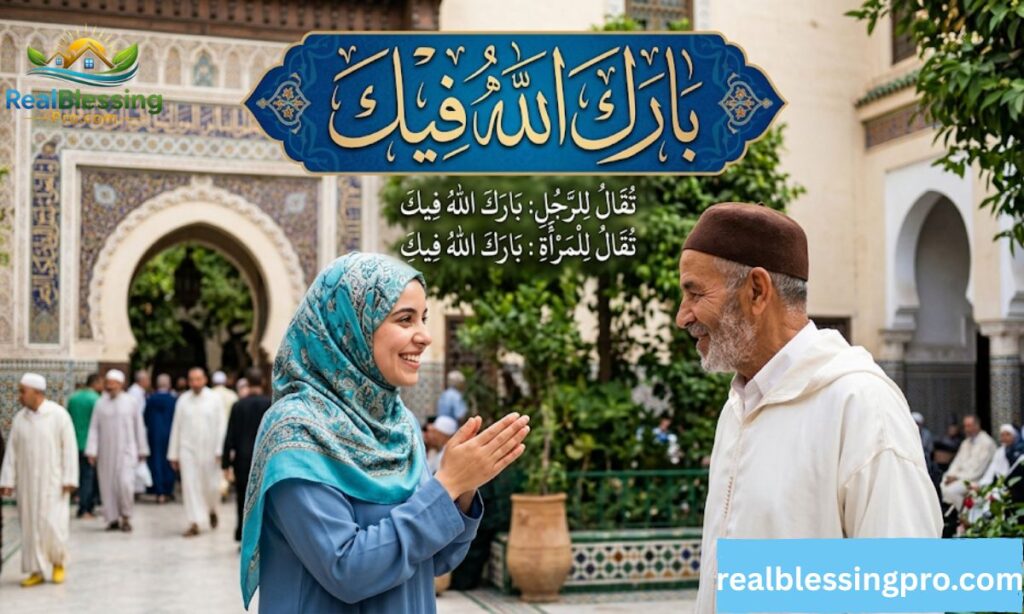
Arabic is a gendered language. For a male, you say Barakallahu Feek; for a female, you say Barakallahu Feeki; and for a group of people, you say Barakallahu Feekum.
When is the best time to use these blessings?
These phrases are incredibly versatile. You can use them when someone does you a favor, when you see something beautiful (to avoid the “evil eye”), or simply when saying goodbye to a friend.
What is the proper response when someone says “Barakallahu Feek” to me?
The standard response is Wa Feek al-Barakah (And may the blessing be in you too) or simply Wa Iyyakum (And to you as well).
Conclusion
In the end, uttering a blessing is an act of worship that purifies the soul and connects us to one another. Whether you use the masculine, feminine, or plural form, the intention remains a powerful testament to your faith. May your life be a living reflection of the “Barakah” you wish upon others, and may your words always be a source of light in this world.

Parker is a passionate writer and content creator at RealBlessingPro.com, focused on helping people discover real opportunities and meaningful growth. With over three years of experience in the blessing and self-improvement niche, he shares practical insights that inspire positive change. His content is built on authenticity, simplicity, and real value that readers can trust. Parker believes that success comes from the right mindset, consistent effort, and learning from real experiences. Through his work, he aims to guide and motivate others to unlock their true potential and create a better future.